FAQs

Home – FAQs

Farm Help

Answers for Better Farming Decisions

Find clear agriculture answers covering organic farming practices, crop management, sustainability, and solutions for efficient farming operations

Organic farming is an agricultural system that avoids synthetic chemicals and focuses on natural processes. It improves soil health, protects ecosystems, produces safer food, and supports long-term sustainability for both farmers and the environment.

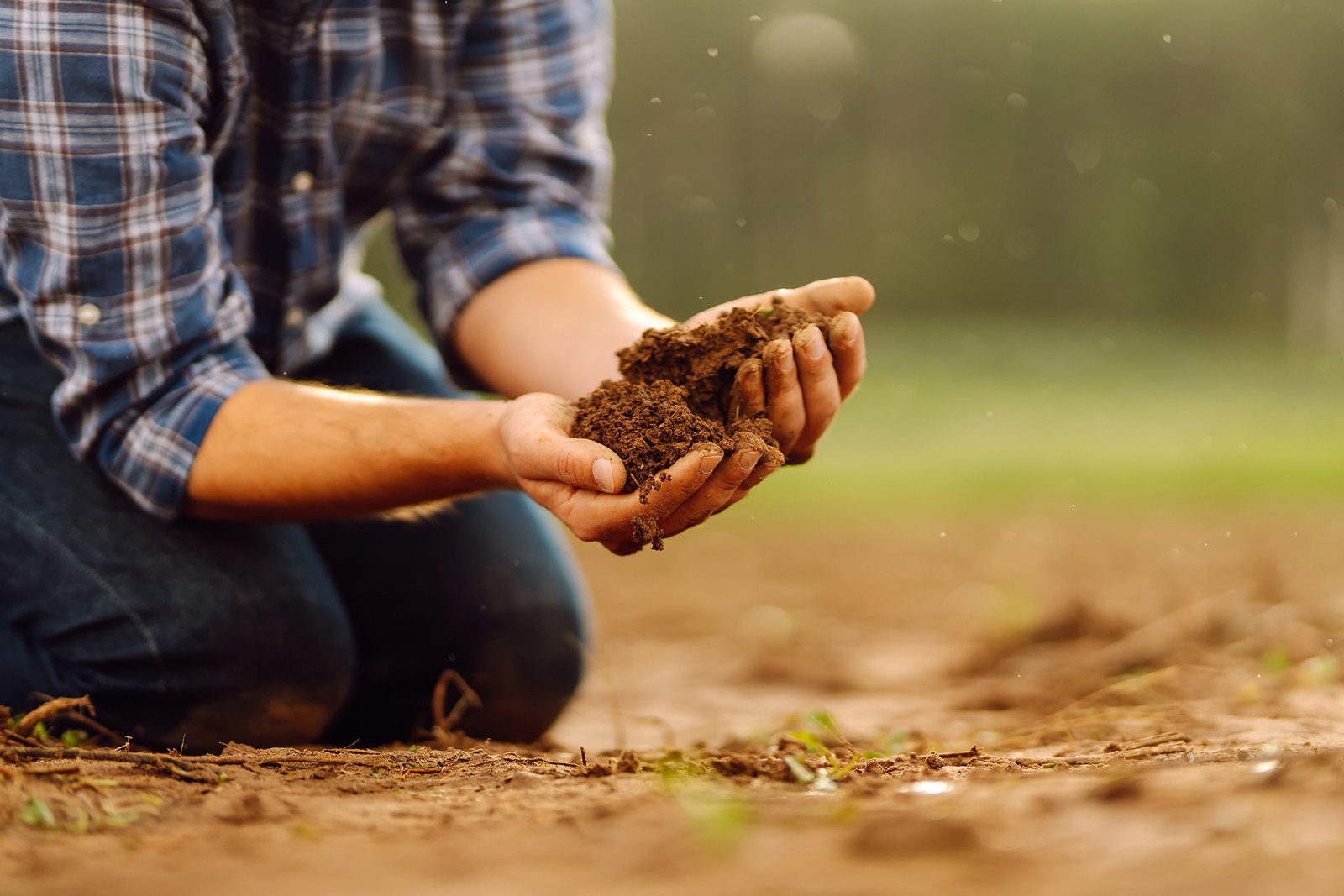
Organic farming enhances soil fertility by using natural fertilizers, compost, and crop rotation. These methods increase microbial activity, improve soil structure, and maintain nutrient balance for long-term agricultural productivity.

Almost all crops can be grown organically, including vegetables, fruits, grains, and herbs. The key is proper soil management, pest control, and sustainable farming practices tailored to each crop type.

Initial costs may be higher due to certification and setup. However, organic farming often reduces long-term expenses on chemicals and can generate higher profits through premium market pricing.

Trusted by Modern Farmers

Years Experience
0 +

Have Any Questions?

Organic farming is an agricultural system that avoids synthetic chemicals and focuses on natural processes. It improves soil health, protects ecosystems, produces safer food, and supports long-term sustainability for both farmers and the environment.

Organic farming enhances soil fertility by using natural fertilizers, compost, and crop rotation. These methods increase microbial activity, improve soil structure, and maintain nutrient balance for long-term agricultural productivity.

Almost all crops can be grown organically, including vegetables, fruits, grains, and herbs. The key is proper soil management, pest control, and sustainable farming practices tailored to each crop type.

Initial costs may be higher due to certification and setup. However, organic farming often reduces long-term expenses on chemicals and can generate higher profits through premium market pricing.

Organic farming is an agricultural system that avoids synthetic chemicals and focuses on natural processes. It improves soil health, protects ecosystems, produces safer food, and supports long-term sustainability for both farmers and the environment.

Organic farming enhances soil fertility by using natural fertilizers, compost, and crop rotation. These methods increase microbial activity, improve soil structure, and maintain nutrient balance for long-term agricultural productivity.

Almost all crops can be grown organically, including vegetables, fruits, grains, and herbs. The key is proper soil management, pest control, and sustainable farming practices tailored to each crop type.

Initial costs may be higher due to certification and setup. However, organic farming often reduces long-term expenses on chemicals and can generate higher profits through premium market pricing.

Agrow Updates

Latest Trends in Modern Farming

Discover agriculture trends, innovations, and expert advice helping farmers improve productivity, sustainability, and long-term farming success globally

10 Organic Farming Techniques to Boost Sustainable Crop Yields

10 Organic Farming Techniques to Boost Sustainable Crop Yields

Lorem ipsum dolor sit amet, consectetur adipiscing elit. Nulla ullamcorper tempus est. Donec sit amet lorem at ex eleifend convallis eu vitae nisl. Nullam ornare aliquam…


From Seed to Harvest: Complete Guide…

How Sustainable Farming Improves Soil Health…

Smart Agriculture: Modern Farming Methods for…