FAQs

Home – FAQs

FAQs

Leaders in Pilot Training

We have built a team of highly skilled aviation professionals dedicated to providing world class training for future pilots everywhere.

To enroll, applicants must be at least 17 years old, possess a valid high school diploma or equivalent, have good English proficiency, and pass a basic medical examination. International students may need to meet additional visa requirements depending on their country of origin.

No prior flight experience is necessary. Our programs are designed to accommodate beginners and advanced learners alike. Introductory modules will cover foundational theory, simulator sessions, and basic flying skills before progressing to more complex flight operations.

The duration depends on your chosen program and schedule. A Private Pilot License (PPL) typically takes 6–9 months of training, while a Commercial Pilot License (CPL) can take 12–18 months. Accelerated programs may shorten the timeline.

Students will train on a fleet of modern, well-maintained aircraft, including Cessna 172s, Piper Warriors, and Diamond DA40s. We also incorporate advanced flight simulators to replicate various weather and operational scenarios safely.

Yes. We offer flexible payment plans, scholarships for qualified candidates, and assistance with financing options through our partner banks. Our admissions team will guide you through available opportunities.

Graduates may pursue careers as commercial airline pilots, private charter pilots, flight instructors, or in aviation management roles. Our career services team provides job placement assistance and networking with airline partners.

A PPL requires a minimum of 40–50 flight hours, while a CPL typically requires 200–250 flight hours. Our programs often exceed these minimums to ensure students are fully confident and competent in real-world conditions.

Yes. We offer on-campus housing and can assist in finding nearby accommodation. Housing includes furnished rooms, internet access, and shuttle services to the training facility.

Safety is our top priority. All aircraft undergo regular maintenance by certified engineers, instructors are highly experienced, and training follows strict aviation authority safety regulations. Weather conditions are carefully monitored before every flight.

Yes, we accept credit transfers from other accredited flight schools, provided your training records meet our standards and regulatory requirements. Our training department will evaluate your logbook and syllabus completion before approval.

Still Need Assistance?

Avia Blog

Learn From Aviation Experts

Access professional guidance through informative articles and expert tips designed to sharpen your aviation skills and confidence.

Preparing For Your First Solo
12Aug

Preparing For Your First Solo

Lorem ipsum dolor sit amet, consectetur adipiscing elit. Nulla ullamcorper tempus est. Donec sit amet lorem at ex eleifend convallis eu vitae nisl. Nullam ornare…
Top Mistakes Student Pilots Make
12Aug

Top Mistakes Student Pilots Make

Lorem ipsum dolor sit amet, consectetur adipiscing elit. Nulla ullamcorper tempus est. Donec sit amet lorem at ex eleifend convallis eu vitae nisl. Nullam ornare…
Navigating Airspace Like A Pro
12Aug

Navigating Airspace Like A Pro

Lorem ipsum dolor sit amet, consectetur adipiscing elit. Nulla ullamcorper tempus est. Donec sit amet lorem at ex eleifend convallis eu vitae nisl. Nullam ornare…
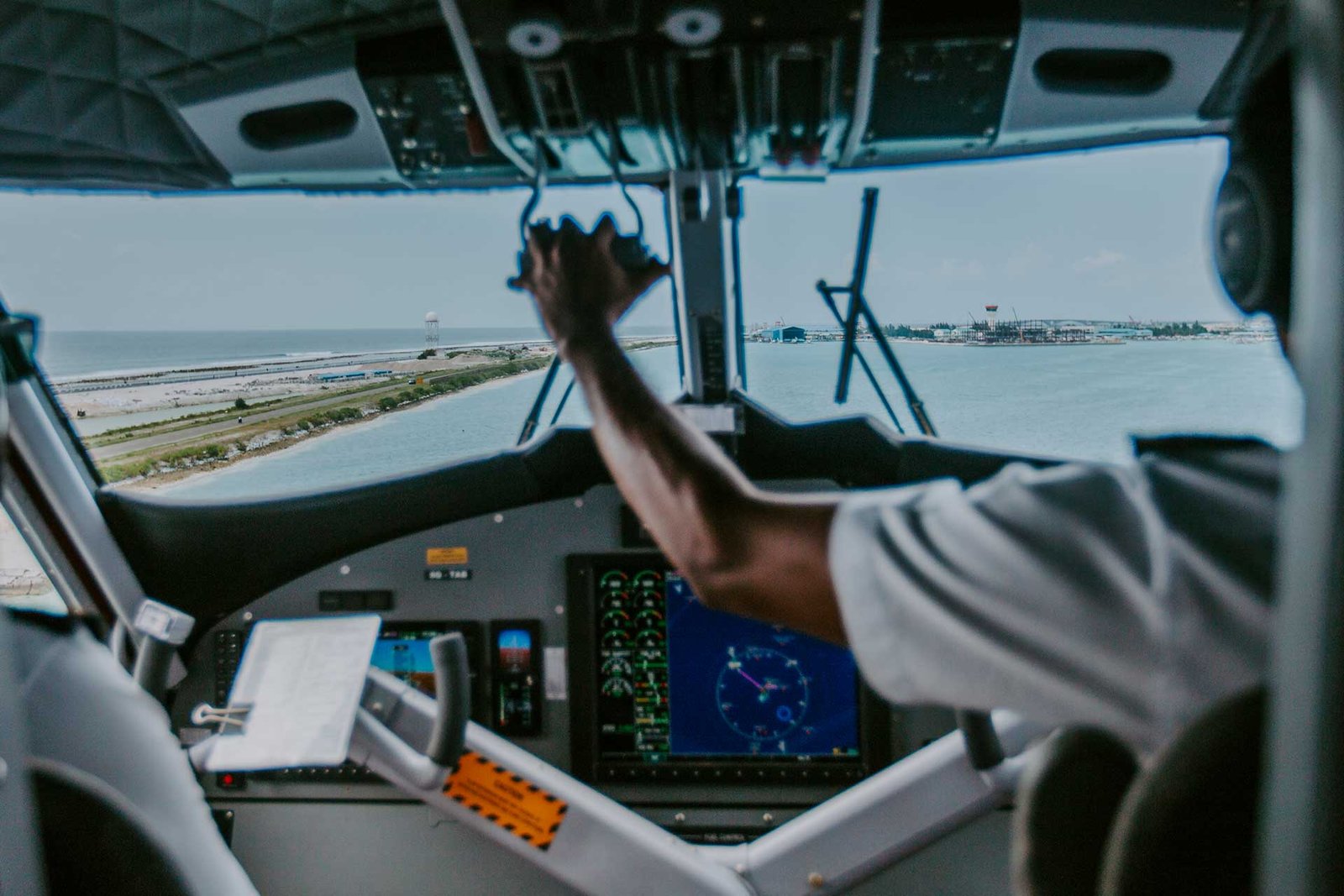
Your Pilot Career Start Here

Take Off With Avia Academy

Begin your flight training today and join a global network of skilled pilots shaping the future of aviation together.